About
RSFS History
1847 – James Brown, Head Forester for Armiston Estates published The Forester, the first treatise on practical forestry in the UK.
1854 – James Brown left his job as Deputy Surveyor of the Forest of Dean. At his farewell party on 16 February those present agreed a Scottish Arboricultural Society should be formed. James Brown became the first President, with 19 members. This was the first national arboricultural society in the English-speaking world.
1858 – Transactions of the Scottish Arboricultural Society was first published.
1869 – Queen Victoria became the first Royal patron of the Society, followed by all subsequent monarchs.
1884 – The Society partners with the Highland and Agricultural Society to stage a three-month International Forestry exhibition in Edinburgh, attracting over half a million visitors.
1887 – Queen Victoria granted a Royal charter to create the Royal Scottish Arboricultural Society.
1930 – The society changes its name to become the Royal Scottish Forestry Society, with its journal becoming the Scottish Forestry Journal.
1947 – The Scottish Forestry Journal becomes Scottish Forestry, as it is still known today.
1954 – RSFS celebrated its centenary year.
1995 – The society purchased a farm holding at Cashel on Loch Lomond, with support from the Millenium Commission, to create a new native woodland and launched the Cashel Forest Trust.
2004 – RSFS celebrates its 150th anniversary and holds an anniversary conference.
2026 – The Cashel Forest woodland is mature, and the farm house and visitor centre is sold with the Cashel Forest Trust retaining the woodland and surrounding land.
For an extended history of the society, see Scottish Forestry, Volume 58 No 4.
Our People
Patron
The Patron of the Royal Scottish Forestry Society is His Majesty King Charles III. The Society is honoured to have His Majesty’s patronage, continuing the unbroken line of support from the Monarch since Queen Victoria.
Board
David Henderson Howat (Chair)
David joined the RSFS in 1986 when he was Forest District Manager in Aberfoyle. Prior to that he worked for the Commonwealth Development Corporation as a forest manager in Eswatini, in southern Africa. He later spent seven years as the Forestry Commission’s Chief Conservator in Scotland, and – more recently – has undertaken consultancy work for the United Nations Forum on Forests and the UN’s Food and Agriculture Organisation. He is a past President of the Institute of Chartered Foresters.
David lives in the Scottish Borders, where he enjoys managing his own “tiny forest” and is a member of the Lamancha, Newlands and Kirkurd Community Council.
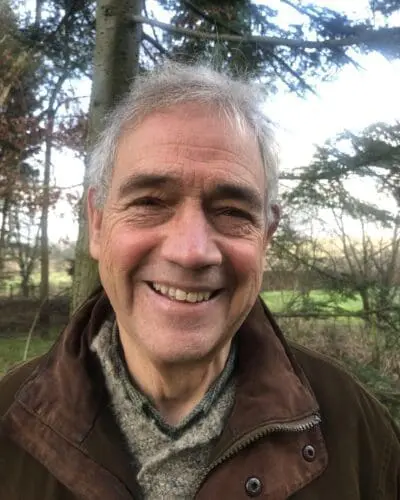
Chris Quine (Vice Chair)
Chris studied geography as an undergraduate and then took a Masters degree in forestry. He enjoyed a long career in the Forestry Commission, beginning with five years in forest management in southwest Scotland and then more than three decades in applied research at Forest Research’s Northern Research Station studying topics such as storm damage, risk and resilience, biodiversity and ecosystem services, and biosecurity.
Chris held several senior roles contributing to organisational growth and leadership, latterly as Chief Scientist, and since retiring retains links with Forest Research as a research fellow. He has published widely, and his work has been recognised through a PhD from Edinburgh University, an Honorary Professorship from Stirling University and in becoming a Fellow of the Royal Society of Edinburgh.
He is a council member and Fellow of the Institute of Chartered Foresters and has recently been appointed a trustee and vice chair of the Royal Scottish Forestry Society.
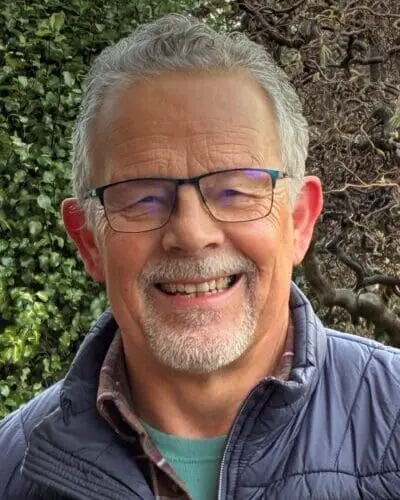
Genia Kolb (Treasurer)
Genia graduated with a degree in Law (LLB) from the University of Glasgow and is also a member of the Association of Chartered Certified Accountants (ACCA). Her professional background is in Internal Audit, in professional services firms and global Investment Banks, with a focus on regulatory compliance and governance.
Genia also acts as a Trustee for the Moray Rape Crisis Scotland. In her spare time, she enjoys reading, baking and learning German.
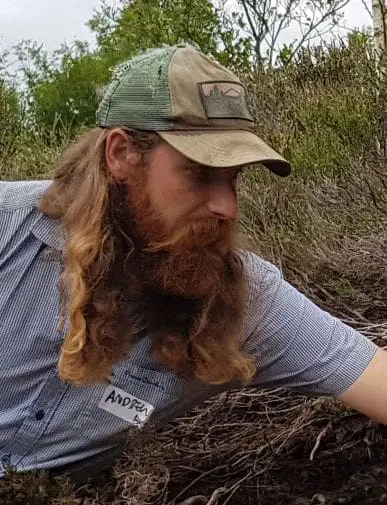
Andrew Macqueen
Andrew is an independent forester based in South Scotland. After graduating with a degree in Forestry from Aberdeen University, he spent nearly ten years with a large forest management company before setting up his own business in 2021 with a view to focus greater attention on diverse species and silvicultural systems.
He has a strong desire to reduce the current polarisation between 'productive' and 'native' forestry in order to encourage forests and woodlands which work for nature and people as well as production. To that end, he works with the Future Trees Trust and the Association of Scottish Hardwood Sawmillers on the breeding and silviculture of hardwood species as well as regularly assisting with training and CPD for both the Society and the Institute of chartered foresters.
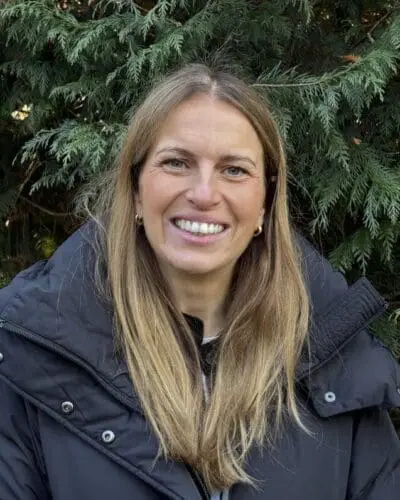
Virginia Harden Scott
Virginia has been a member of the RSFS Lothians & Borders Committee since 2015 with a previous role as Regional Secretary. A graduate of Aberdeen University (MA Hons Geography) 1998, Virginia returned from 2 years working for a Zambian based safari company in 2007 to undertake an MSc in Environment and Development at the University of Edinburgh.
An Associate member of the Institute for Chartered Foresters, she has worked in the forestry industry since 2009, beginning her forestry career as Biomass Development Officer (Woodfuel) for Forestry Commission Scotland, moving on to work as a community woodland Development Officer and then Woodland Creation Officer on behalf of and laterally for what is now Scottish Forestry. She is currently employed as Land Use Practice Advisor for Scottish Forestry, covering the areas of Forest Plastics, Wildfire, Carbon and Forestry & Private Water Supplies.
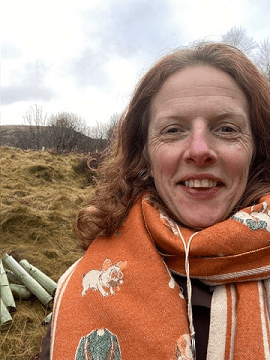
Steven Brown
Steve trained as a physical education teacher before moving to work in the financial sector in the city of London. After working there for six rewarding years he decided to return to Scotland with his new wife to complete a degree in forestry at Aberdeen University. He then joined the Forestry Commission and left for Knapdale Forest, Kintyre in September 1979, focusing mainly on harvesting. He transferred to Achaglachgach forest which had the largest planting programme in Scotland at the time. From there to Culloden to specialise in site surveys, then Newton nursery, then harvesting in the pine woods of Moray district. His final move, this time with four children in tow was to Huntly to take up a Woodland Officer post.
He is a director of Deveron Projects an arts body based in Huntly and runs a group of young musicians called the Strathspey fiddlers. He is chair of NE region RSFS, a role which helps him retain his interest in all things forestry.
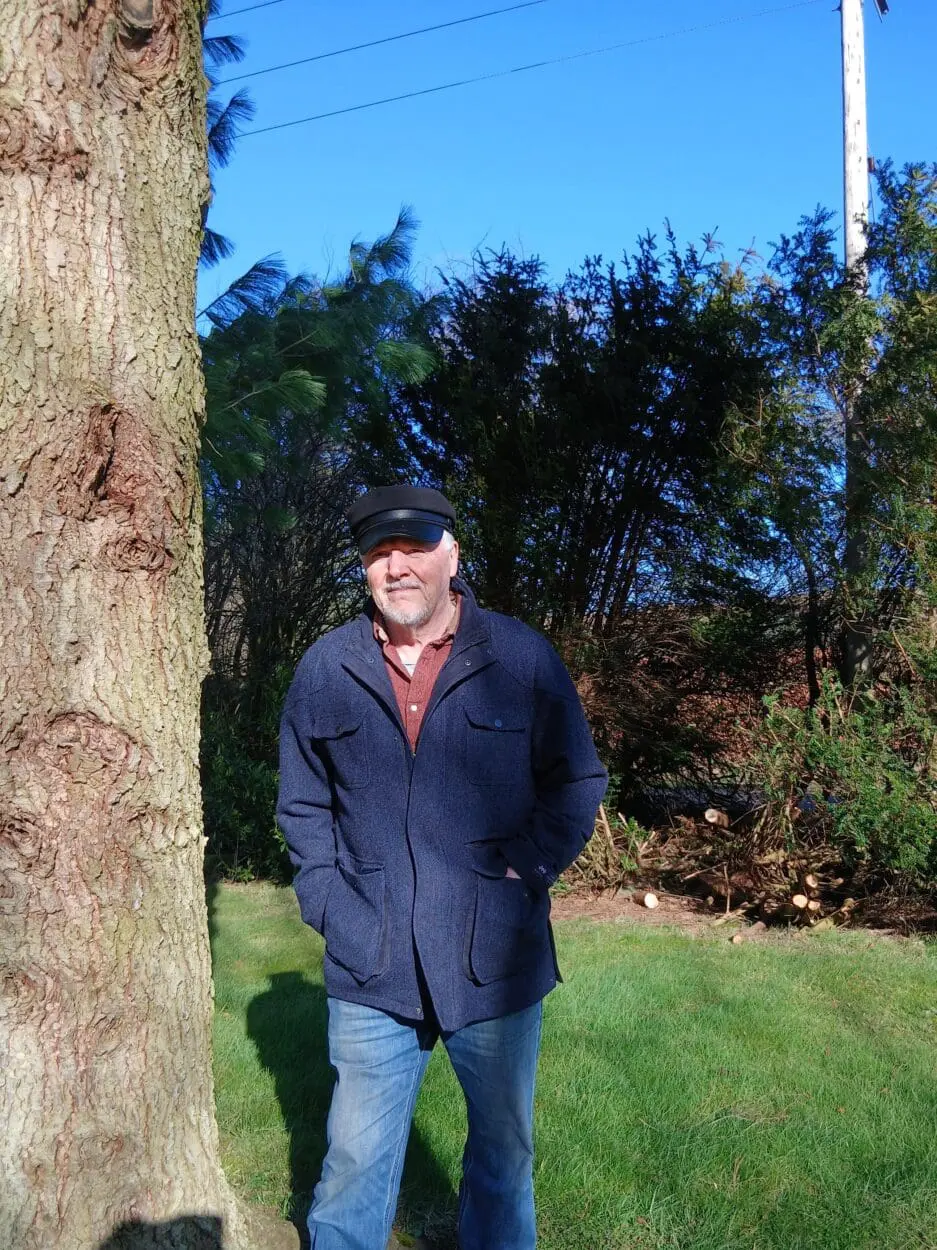
Fenning Welstead
Fenning has spent his long career with Tilhill, Clegg and was a founding partner in Goldcrest, a forestry and rural surveying team based in Scotland. He is a Fellow of the Institute of Chartered Foresters (President from 2011-2013), a Fellow of the Royal Institution of Chartered Surveyors and a Registered Valuer. He is a non-Executive Director of Eskdalemuir Forestry Ltd.
His priority is in achieving a balance between commercial viability of land use and the sustenance of natural equilibriums.
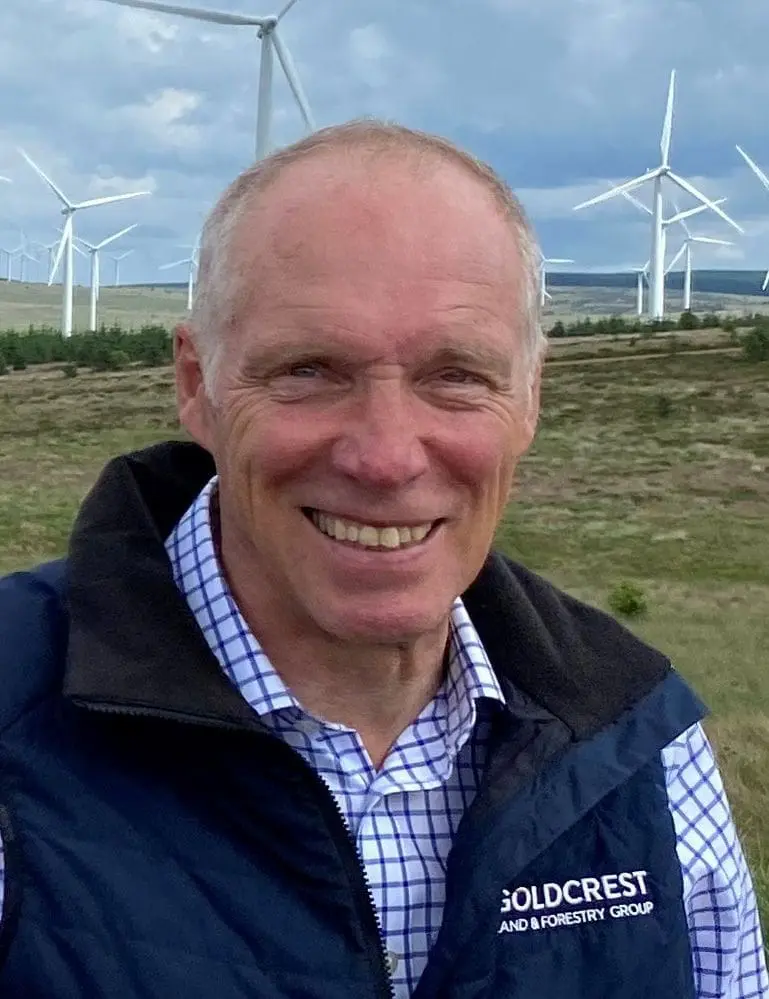
Staff Team
Cat Wilson (Executive Director)
Cat has a background in higher education, having worked at the University of St Andrews for over 20 years in roles relating to organisational, student and staff development. Cat joined RSFS as Executive Director in 2025 and is responsible for enacting the RSFS strategy. In her spare time she loves exploring woods and forests with her two dogs.
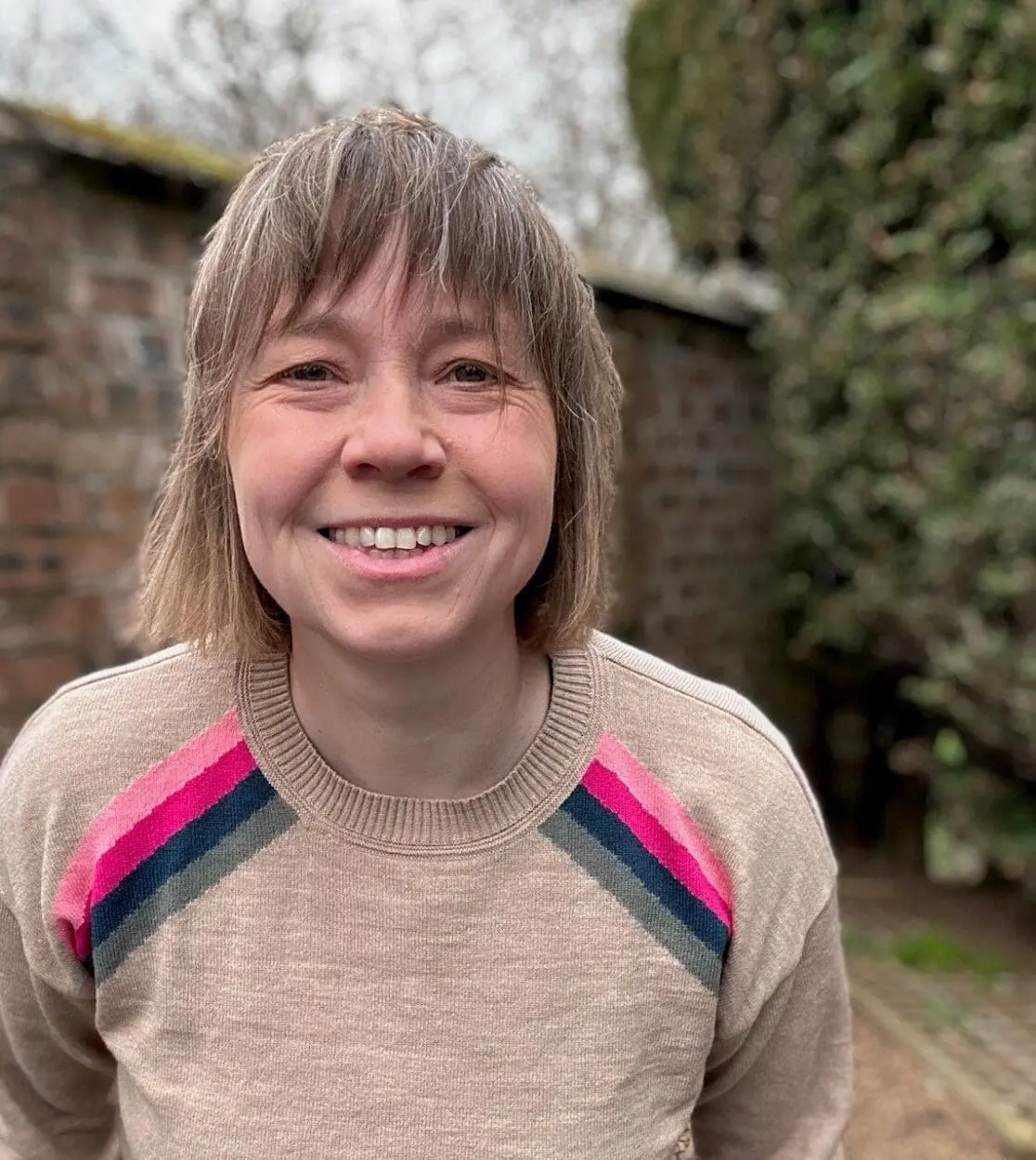
Kat Chisholm (Administration Officer)
Kat has a wealth of experience working for charities and higher education where she worked predominately in IT Project Management and Office Administration. Kat organises the highly successful Abbeyhill Colony of Artists arts festival in Edinburgh and is also involved in other local community initiatives in Abbeyhill and Leith. Kat has lived in Abbeyhill since 1996 and loves the community spirit and atmosphere that living there brings. When not at work Kat loves spending time with her family (the cat and dog in particular!), travelling, walking and reading.

Gavin McGregor (Editorial Services)
Gavin has been editor of Scottish Forestry, the journal of the RSFS, since September 2021, and has produced the RSFS members’ fortnightly eNews since January 2022. HIs first career was in journalism and editing, working in local and regional press as a reporter and later as an editor at social policy and professional publications, as well as freelance writing work for a range of print and online publications and news outlets. After a stint as a political researcher and completing an MSc in Food Policy, before returning to editing and writing for the RSFS, Gavin worked in a number of roles related to land management, first in horticulture and more recently on nature reserves, including woodland management.

Regional Committees
The society is organised into five geographical regions: Northern, North-East, Central, Lothian & Borders, and South-West and Northern Ireland.
Each region has a regional committee with a team of volunteers who work together to create a range of valuable events for society members.
We work closely with our colleagues at the Royal Forestry Society in England and Wales.

Northern
- Michael Conn (chair)
- Ian Ross (deputy)
- Graham Hamilton
- Gareth Whymant
- Steven Liddel
- Bruce Taylor
- Matt Wallace
North East
- Steve Brown (chair)
- Victoria Potts (deputy)
- Rosie Wilson-Leagas
- Simon Blackett
- Stuart Picken
- Mark Dobson
- Neil Crookston
- Oliver Hands
- Caitlin Erskine
Central
- Fenning Welstead (chair)
- Catherine Walker (deputy)
- Claire Williams
- Laurent Bienfait
- Ralland Browne
- Ruth Forrester
- Fraser Wright
- Sam Booth
Lothian & Borders
- Virginia Harden Scott (chair)
- Ellinor Dobie (deputy)
- Jackie Watson
- Jane Gibson
- Jeremy Thompson
- Eleanor Harris
- Michael Wilson
- Jeannie Nairn
- Gavin Marshall
- Stefan Rijnbeek
- John Oglivie
South West & Northern Ireland
- Andrew Macqueen (chair)
- George Moore (deputy)
- Colin Kennedy
- Carol Crawford
- Pat Hunter Blair
- Richard Kay
- Andrew Gladstone
- Stuart Higgins
Our Strategy
Our Mission
We aim to meet the needs for practical forestry and woodland education through supporting those in forestry and woodland management and by promoting sustainable forestry more widely.
Our Vision
We will make welcome, value and support all those with an interest in Scotland’s trees, woods and forests, whatever their focus and priorities. To do this we will:
- Provide relevant, practically focussed forestry events;
- Be a reliable and regular provider of information;
- Be a body valued by our membership;
- Be an outward facing and forward-looking land manager through Cashel Forest Trust;
- Work continuously to safeguard the future of the Society by being a well-run and developing charity
Our Values
As an organisation, we are guided in our work by the following values:
Trust, Integrity, Impartiality
- We must be accountable for the organisation and the work we do in a principled, trustworthy, dependable and transparent manner;
- People understand that they can trust RSFS in all areas of our work;
- We are trusted to spend funds appropriately;
- We remain impartial;
- We do not raise false expectations.
Caring, Empathetic, Supportive
- We are stewards of RSFS for future generations;
- Our actions will be in the best interests of the Society;
- Our decisions for the future will have empathy with the Society’s heritage;
- Those who serve as staff, volunteers and supporters will be respected no matter their background nor ability and will be encouraged to develop as individuals, learn new skills and to support others.
Passionate, Progressive, Collaborative
- We will work in partnership with those who share our passion for Scotland’s trees and forests and securing a sustainable future for the RSFS;
- We are progressive in our approach, regularly reviewing and improving our practices and working methods.
Strategic priorities
Our priorities are to deliver a range or priorities in five key themes:
RSFS as an organisation
- Developing our day-to-day operations to facilitate planned growth of the Society;
- Diversifying our funding streams to support the delivery of our ambitions;
- Ensuring that there is a fit-for-purpose resource structure suitably trained to deliver our objectives;
- Continuing to develop a positive external profile for the Society,
Our Membership
- Developing a more inclusive and diverse membership to better reflect those active in the sector;
- Reviewing our membership framework, particularly for organisations;
- Developing closer links with key partners and stakeholders.
We will be a provider of relevant, practically focussed forestry events
- Providing Regional Study Days with the level of engagement, focus on the topics and benefit sought by those attending;
- Running an Annual Study Tour providing an opportunity to showcase the diversity of forests and the work of the RSFS;
- Developing our learning & development offering, including support through bursaries and prizes;
- Offering a suite of training days to provide those active in the sector or who are entering it with relevant Continuous Professional Development.
We will be a reliable and regular provider of information
- Publishing information from diverse sources on current research, thinking and forest practice
- Bringing people together to promote better links and open discussion on forestry topics
- Developing our Communications to support delivery of key outcomes for the Society
- Promoting what the Society does more widely
An outward facing and forward-looking land manager
- Supporting the establishment of a clear strategy for Cashel in support of RSFS with a plan for its implementation.
- Supporting the provision facilities and access for education, research, leisure, and wellbeing through the restoration and maintenance of Cashel’s natural and built assets.
logo & motto
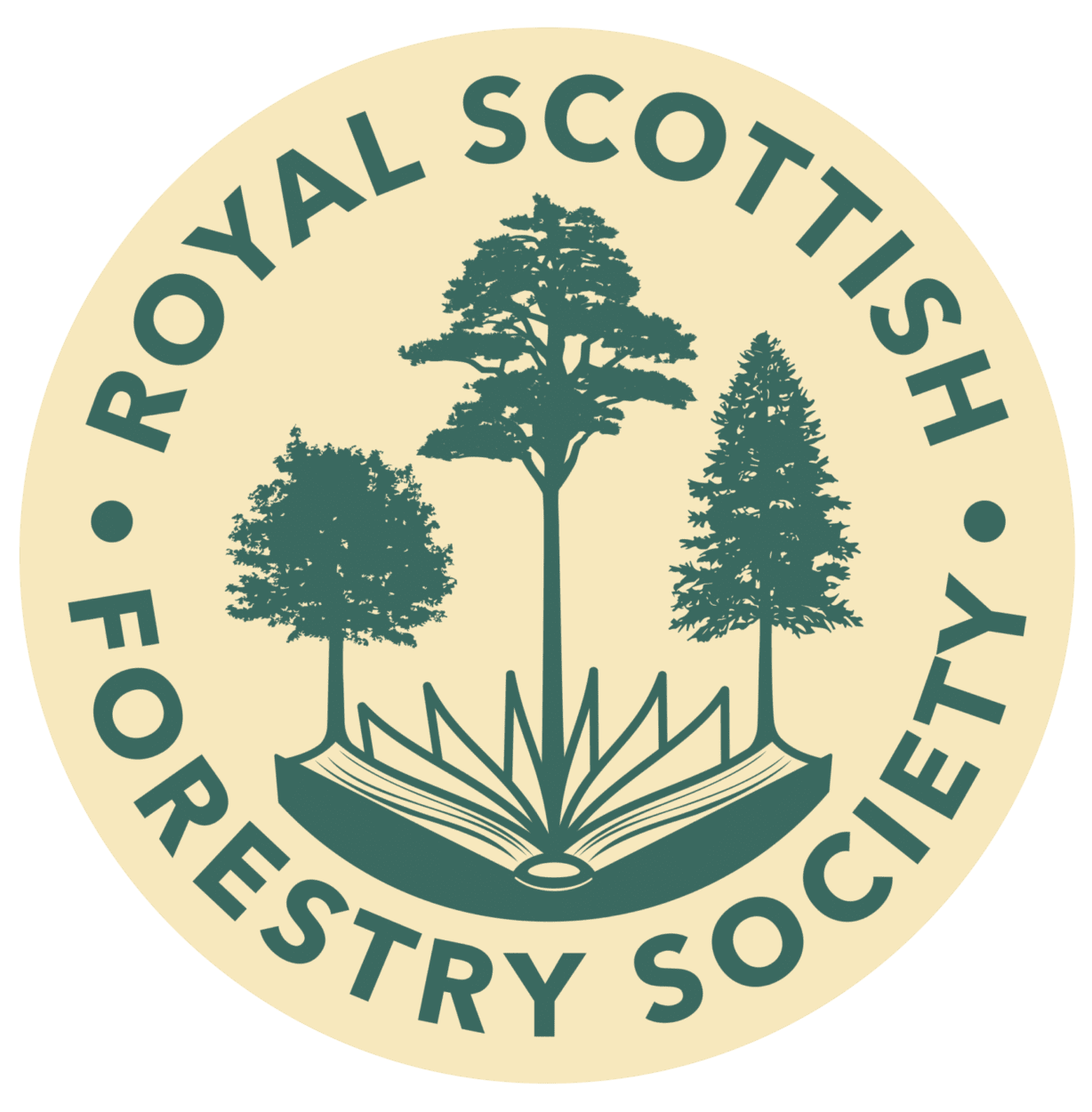
Our logo was redesigned in 2026 to include our society name. It features a Scot’s Pine in the centre, mirroring our first badge from 1870, but flanked with a broadleaved tree on the left and a spruce on the right to reflect the diverse interests of our members. These first appeared in the 2016 version of our logo. The trees rest on an open book to signify our educational ethos, with the six prominent pages representing the volunteers of the society - our five regional committees and board of trustees. The colour of the logo is ‘pine blue.’
Our motto featured in our first badge. It is a quote taken from The Heart of Midlothian by Sir Walter Scott, published in 1818.